
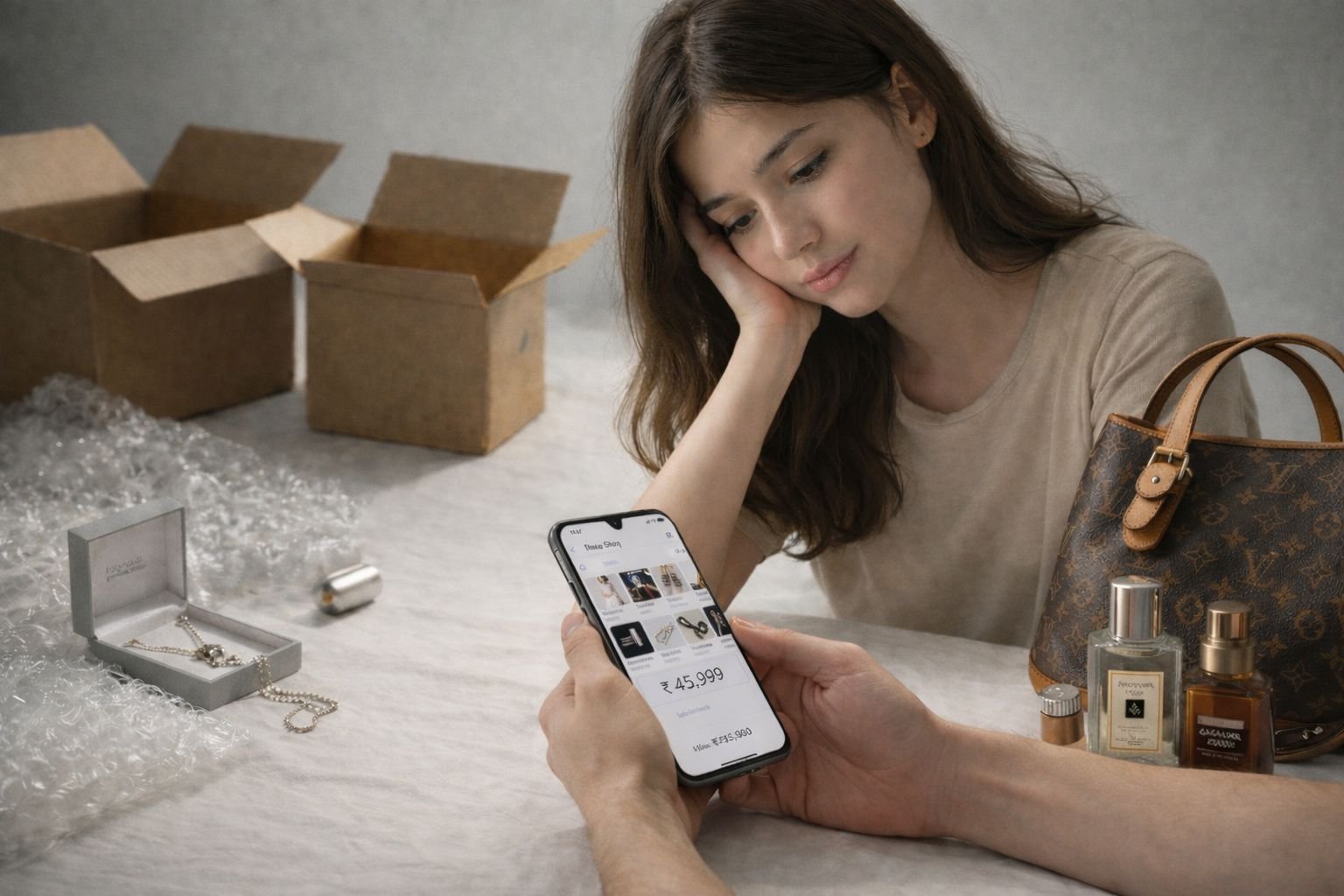
Have you ever felt or thought that there is a strange silence that follows some purchases. The kind of silence that settles in after the shopping bag has been placed in a corner of the room and the receipts are still warm. The excitement already faded just the second when you finally bought it . No one really talks about that part. Especially when it comes to girls and shopping, the conversation is either glorified or mocked but rarely understood.
Impulse buying is often painted as carelessness but in reality, it is far more emotional than impulsive. Sometimes you have wanted something for months and imagined owning it many times, justified it during late-night scrolling and finally convinced yourself that this time it makes sense. And then a complete different feeling creeps in just the moment the transaction is done. This is where guilt pops out that is not loud or dramatic at all but just feels heavy. You start calculating what else that money could have been used for. Maybe rent, savings, any other necessary purchase , responsibilities you didn’t think about five minutes ago. The thing you wanted so badly now sits there, quietly accusing you maybe.
Post-shopping guilt is real, yet it is rarely acknowledged or talked about because you are the sole responsible and you wanted that badly . There can be embarrassment attached to it as if feeling bad about buying something makes you ungrateful or irresponsible. Most of us grow up learning to question our wants and desires because needs are acceptable but ants are indulgent. So when something is bought purely out of desire, the mind immediately looks for punishment. The joy is cut short by self-judgment, even when the purchase was long overdue or deeply personal.
What makes it more confusing is that regret does not always come from impulse alone. You can plan a purchase for weeks and still feel uneasy after buying it. The problem is not always the money but rather it is the emotional weight attached to choosing yourself. Spending on personal happiness often feels harder than spending on obligations. But after all, we should always agree on the statement that it can be the best purchase for you. Maybe you are not realising it today.
Because not every impulsive purchase ends in regret. Some of the most meaningful things in life arrive unplanned. Maybe on a random day you picked up that book you bought impulsively and ended up changing your perspective about everything. The dress bought on a whim becomes your confidence armor . The small, unnecessary thing that somehow brings disproportionate joy. These purchases do not scream practicality but they quietly improve your life. They remind you that happiness does not always need justification.
Impulse buying lives in a grey space. It can drain you emotionally when driven by insecurity, comparison or the need for temporary comfort. At the same time, it can also be an act of self-trust, a moment where you listen to what you want without overthinking it to death. The difference often lies in intention and not timing.
The emotional cost of impulsive buying is not just about money lost. It is about the internal dialogue that follows. The way we talk to ourselves after choosing pleasure over logic. And you know the real problem is not always the purchase itself but it is how rarely we allow ourselves guilt free joy.
Not every buy needs to be defended. Sometimes it is okay to sit with both feelings at once: the happiness of owning something you love and the awareness of its cost. Growth does not come from never making impulsive choices but from understanding why we make them and overpowering the thoughts of happiness then any other feeling. And maybe, just maybe learning that wanting something does not always have to come with an apology.