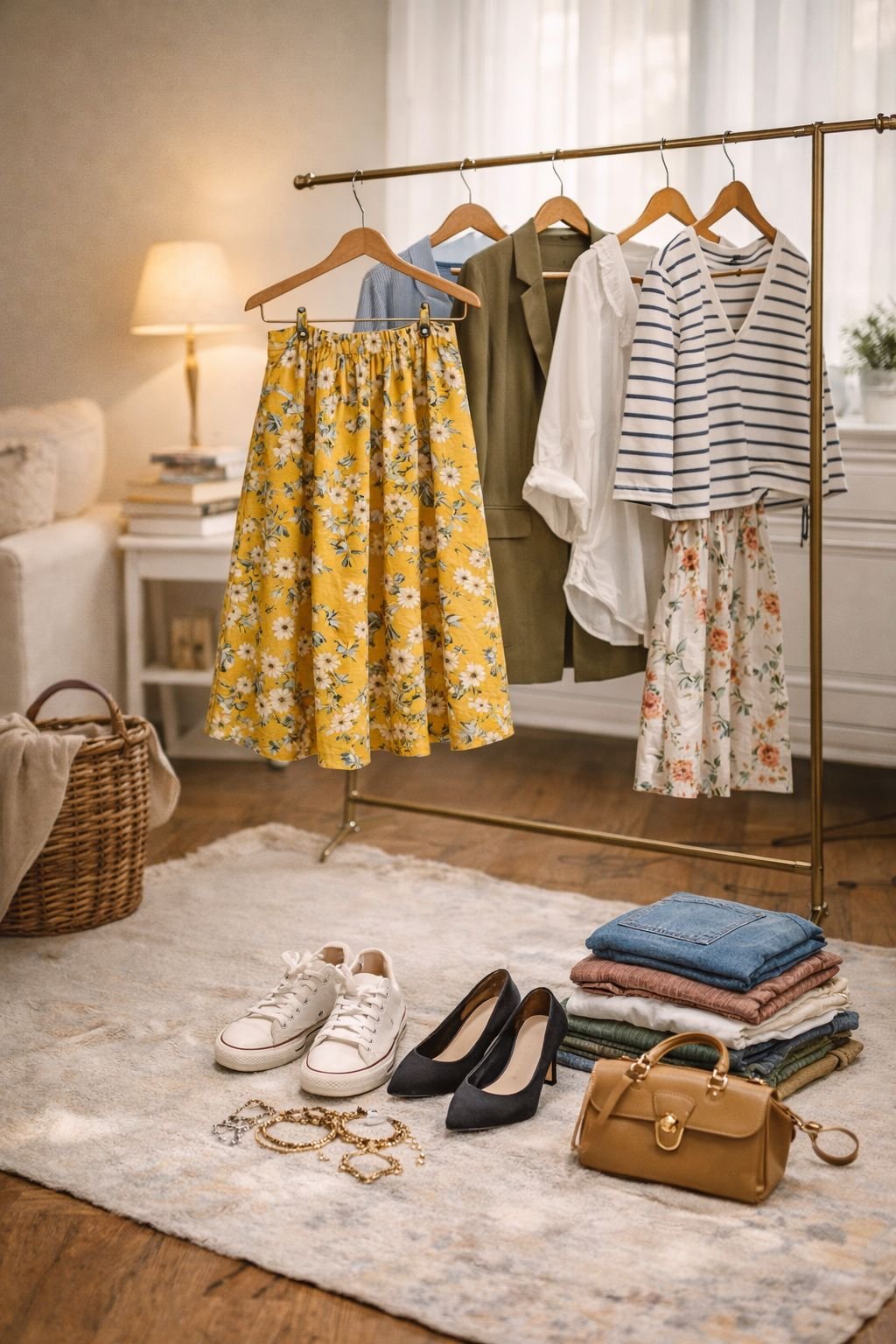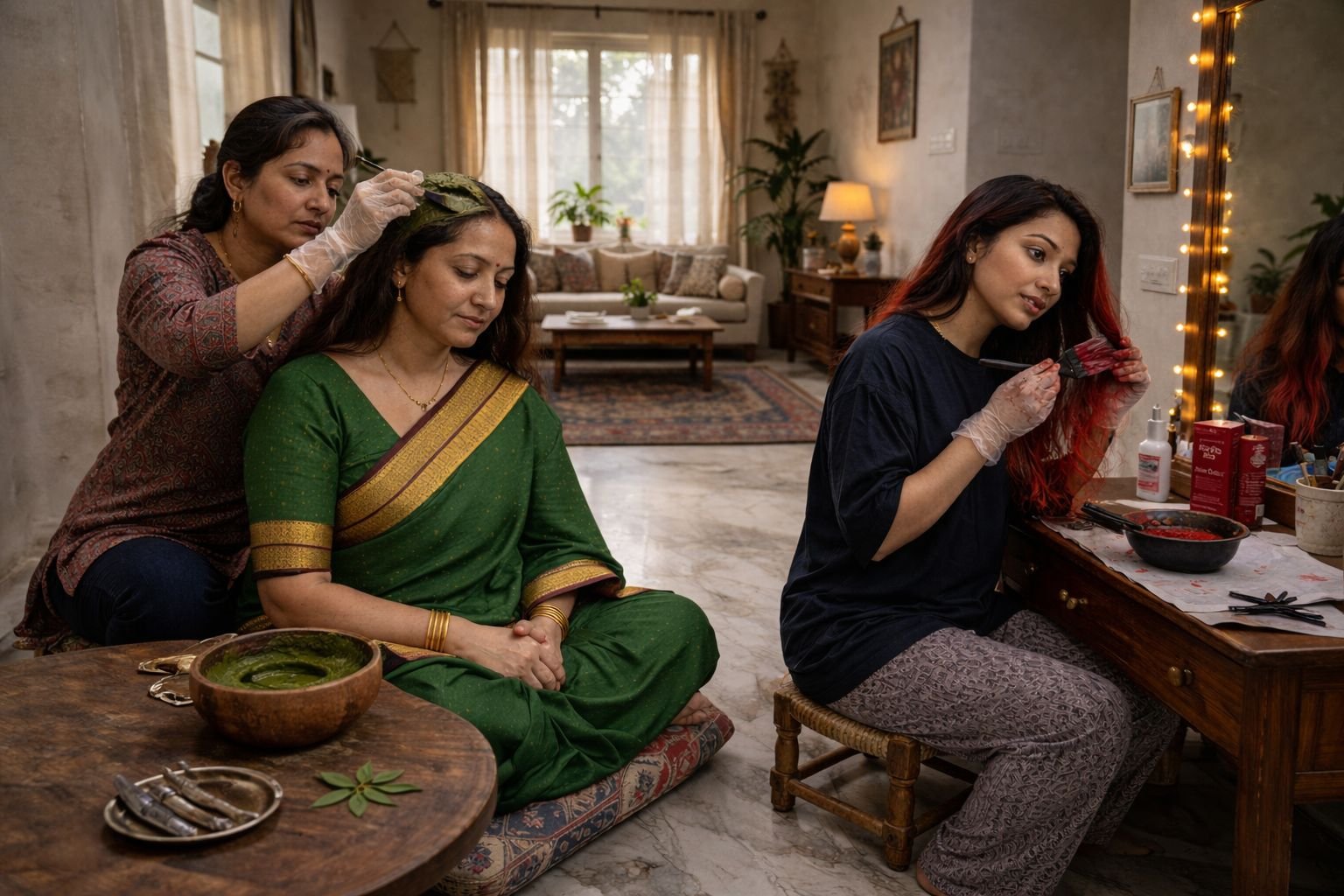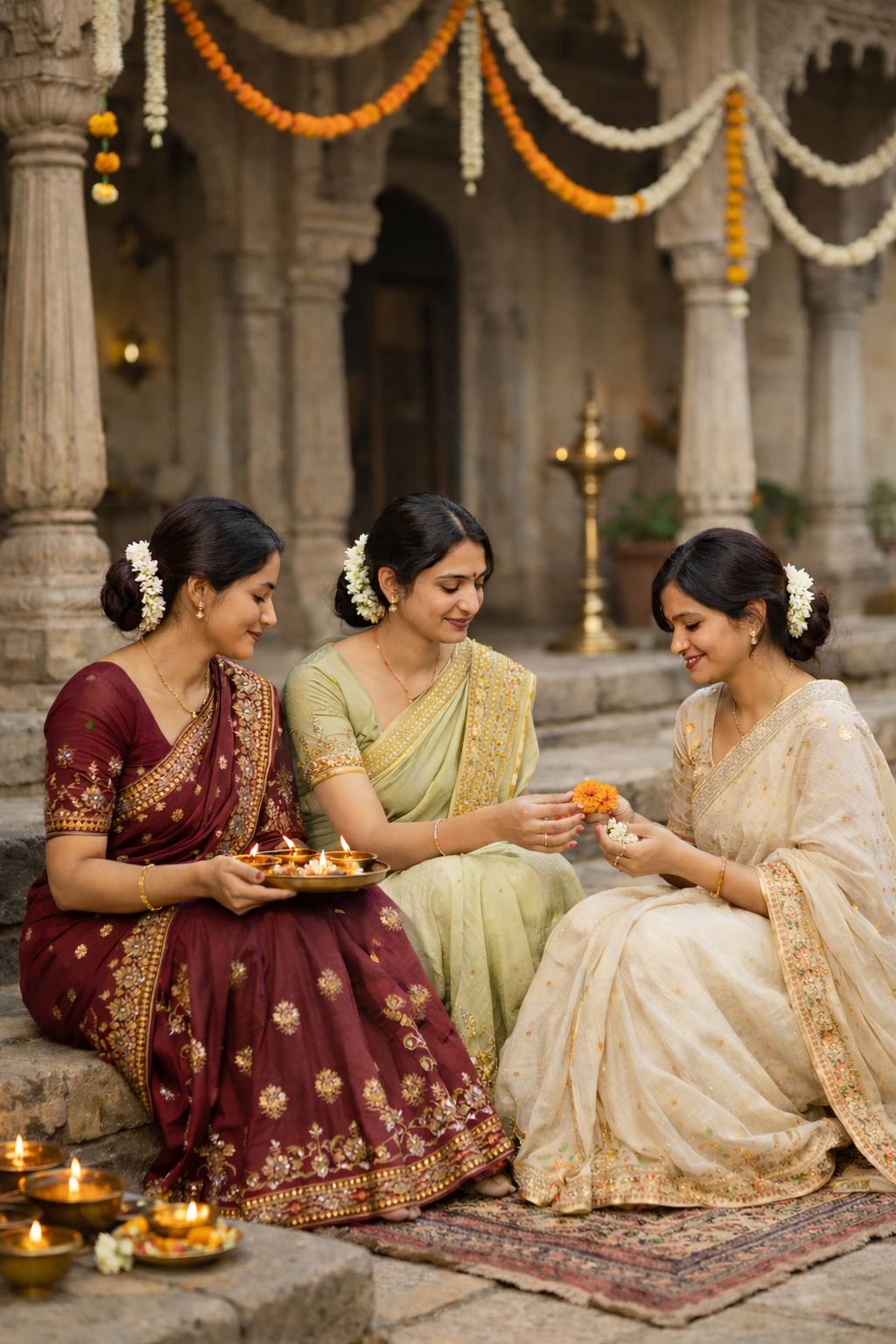
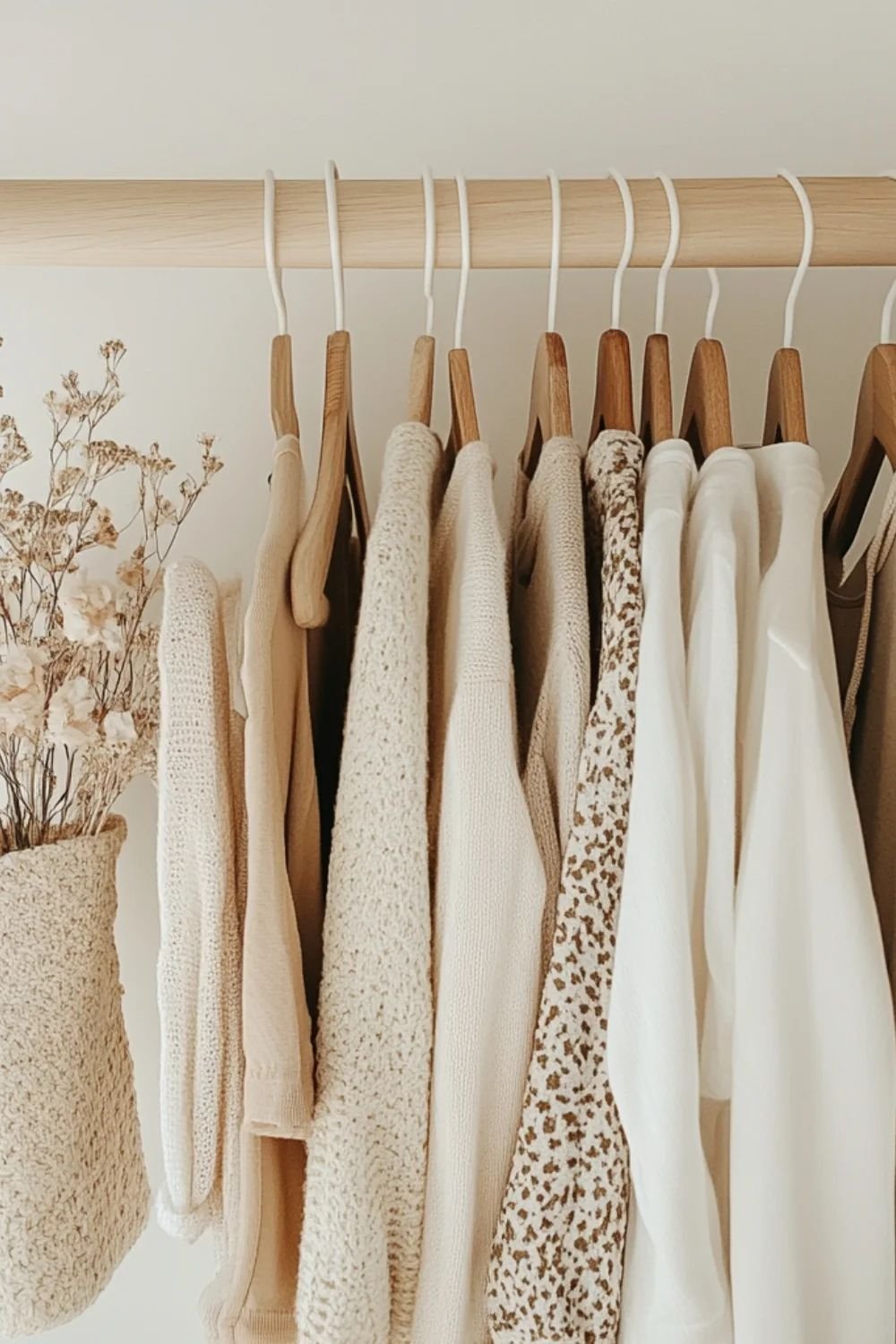
Sustainable fashion is no longer a niche conversation. In India, it is becoming a conscious lifestyle choice shaped by climate awareness, ethical concerns and a growing desire to return to thoughtful consumption. So building a sustainable wardrobe in India does not mean giving up style or trends. It means choosing clothes with intention, longevity and responsibility while supporting a system that respects people, craft and the planet.
Sustainable fashion in India is deeply connected to tradition. Long before this term existed, Indian wardrobes were built around handloom fabrics, natural dyes and garments designed to last for years. Today, sustainability focuses on reducing waste, lowering environmental impact and ensuring fair working conditions which means the same in some way. A sustainable wardrobe is not about buying less only but about buying better.
The foundation of eco-friendly fashion starts with fabric choices. Natural materials like cotton, linen, silk, wool and handwoven textiles are biodegradable and kinder to the environment when compared to synthetic fabrics. Indian handloom cottons and khadi not only feel breathable in the climate but also support rural artisans. Fabrics that age gracefully reduce the need for frequent replacements by making them essential for a sustainable wardrobe.
Fast fashion encourages frequent buying and quick disposal but building a sustainable wardrobe in India requires a mindset shift toward quality. Well-constructed garments with strong stitching and timeless silhouettes always last longer and adapt to the changing trends. When clothes are durable, they reduce waste and offer better value over time. Sustainability begins when fashion is treated as an investment rather than just an impulse.
Choosing eco friendly fashion in India plays a significant role in building a responsible wardrobe. Many Indian labels now focus on ethical production, fair wages and environmentally conscious practices. Supporting such brands encourages transparency and pushes the fashion industry toward positive change. Conscious buying also creates demand for responsible fashion systems that benefit both people and the planet.
Slow fashion focuses more on thoughtful design and mindful production. Custom made or making limited number designs naturally aligns with sustainability because it reduces excess inventory and fabric waste. In India, tailoring has always been part of the culture, always making slow fashion an accessible choice. Clothes made specifically for you are often worn longer and valued more deeply by reducing the cycle of constant consumption.
A sustainable wardrobe does not end with purchasing responsibly. A proper garment aftercare plays an equally important role. Gentle washing, air drying and careful storage help preserve fabric quality and colour. Repairing clothes instead of discarding them extends their lifespan and strengthens a conscious relationship with what you own.
Sustainability thrives when personal style is clear. Understanding what silhouettes, colours and fabrics suits you the best helps to avoid unnecessary purchases. When wardrobes are curated around personal preferences rather than fleeting trends then fashion becomes expressive yet responsible. A sustainable wardrobe reflects individuality while staying mindful of its environmental footprint.
Building a sustainable wardrobe in India is not about perfection but it will always be about progress. Small conscious choices create a collective impact but by embracing sustainable fashion. India rooted in heritage, craftsmanship and ethical values can become powerful tools that can change. Fashion that respects the earth and its people is not the future anymore. It is the present waiting to be chosen.